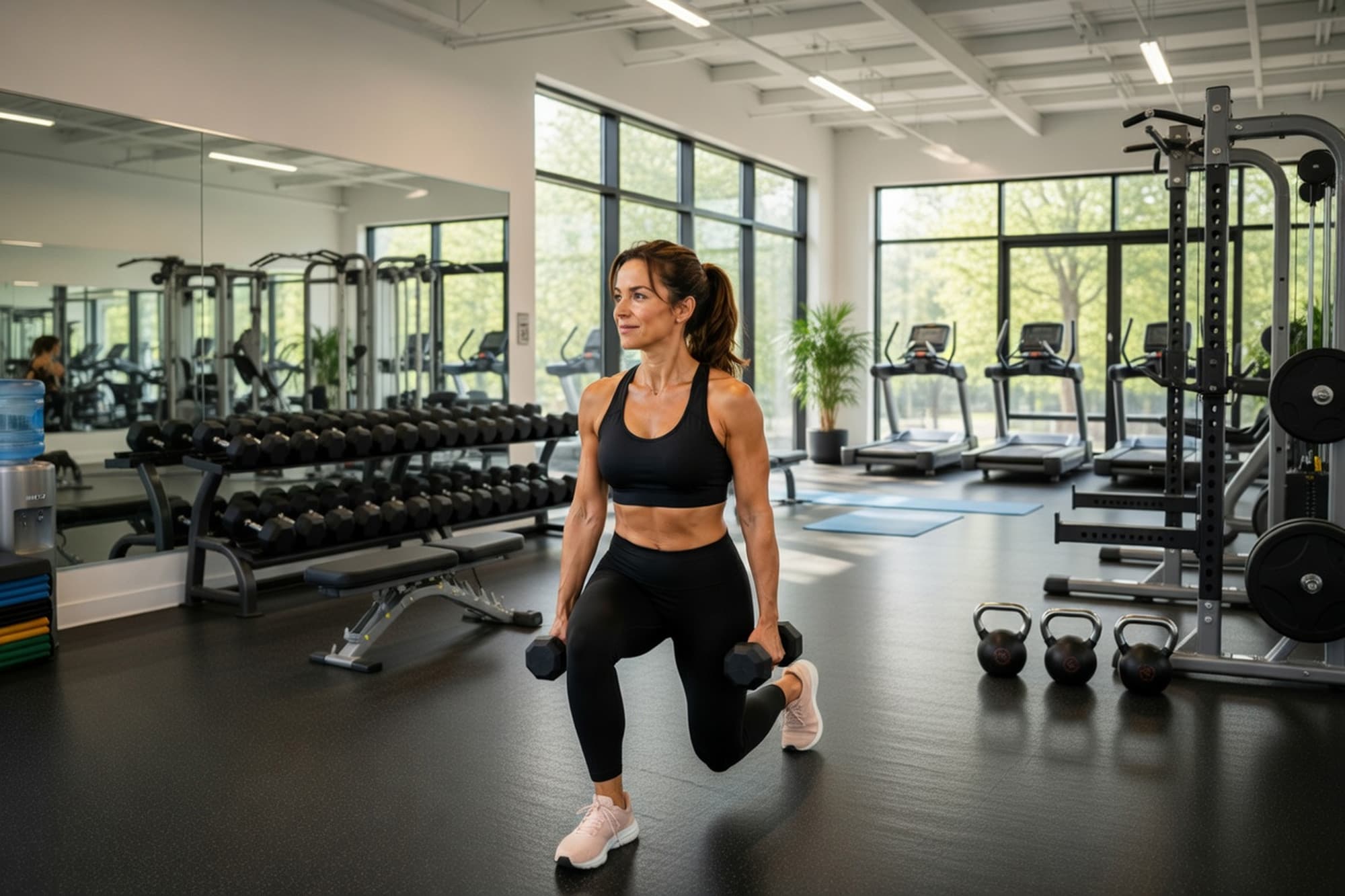
Turning 40 does not mark the beginning of physical decline. On the contrary, many women find that this is the perfect time to become more conscious of their health, set new goals, and make strength training a regular part of life. You do not need to be particularly athletic or have previous experience with weights. Strength can be developed at any age. What matters is following an appropriate training programme, performing exercises with control, and training consistently. Strength training can visibly change your body Strength training challenges your muscles in a targeted way. Over time, your body can become stronger, more stable, and more athletic. Developed muscles give the body shape and may contribute to a firmer appearance. You do not need to worry that you will suddenly become “too muscular”. Visible muscle growth is a gradual process that requires consistent and targeted training. Most women initially notice that they feel stronger and that their body begins to look more defined. If fat loss is your goal, strength training should be combined with suitable nutrition and sufficient daily movement. You cannot reduce fat from one specific part of your body, but strength training can help you build or maintain muscle while improving your overall body composition. Greater strength makes everyday life easier The benefits are not limited to what you see in the mirror. Stronger legs, back, shoulders, and core can support you in many everyday activities: • carrying shopping bags • climbing stairs • lifting heavier objects • remaining active for longer • moving with greater control and confidence With regular training, many women find that movements that once felt difficult become noticeably easier. Feeling physically stronger may also have a positive effect on self-confidence. Your muscles deserve attention Muscles are important for much more than an athletic appearance. They support movement, stability, and physical performance. Strength training provides a targeted stimulus that encourages your body to use its existing muscle tissue and develop greater strength. The sooner you make regular training part of your routine, the longer you can benefit from these abilities. The aim is not to fight against ageing. It is to train your body so that it continues to support you reliably throughout everyday life. Your bones also benefit from exercise Bones are living tissue and respond to physical load. Strength training and other weight-bearing activities provide stimuli that may help support bone health. You do not need to train at an extreme intensity. Exercises using machines, free weights, resistance bands, or your own body weight can all be effective when the resistance and technique suit your current ability. Gradual progression is particularly important. Using more weight only represents progress if you can still perform the exercise safely and with control. Strong muscles support stable movement Long periods of sitting, repetitive movements, and insufficient activity can leave your body feeling stiff or tense. A balanced strength programme trains not only the most visible muscles but also your back, core, glutes, and legs. This can help you move with greater stability and control during exercise and everyday activities. Strength training is not a replacement for medical treatment when physical problems are present, but it can be an important part of an active lifestyle. You do not have to rely only on cardio Walking, cycling, swimming, and other forms of aerobic exercise are valuable for your health. However, they do not completely replace targeted muscle-strengthening exercise. A balanced approach often includes: • strength training for muscles and physical stability • aerobic exercise for cardiovascular fitness and endurance • daily movement for a more active overall lifestyle You do not have to choose between strength training and cardio. The two can complement each other effectively. How often should you strength train? As a general guideline, adults should perform muscle-strengthening activities on at least two days per week. For many beginners, two well-structured full-body workouts per week are a realistic starting point. The programme should include all major muscle groups: legs, glutes, back, chest, shoulders, arms, and core. You can train more frequently later if it suits your lifestyle, experience, and recovery. However, more exercise is not automatically better. Consistency and quality matter more than completing as many sessions as possible. Gym or home workouts? Effective strength training is possible in both settings. A gym provides access to a wide selection of machines and weights. At home, you can train using resistance bands, dumbbells, or your own body weight. The location matters less than whether your programme: • suits your current fitness level • includes all major muscle groups • allows for gradual progression • realistically fits your everyday life The best type of training is one that you can perform safely and continue consistently. It is never too late to become stronger You do not need to wait until you are fitter, lighter, or more flexible. A well-designed training programme can help you develop all of these abilities. Begin with exercises and weights that you can control. Give your body enough time to adapt to the new workload, and do not compare your starting point with another woman’s current fitness level. If you have not been active for a long time, have existing health concerns, or are unsure which level of exercise is appropriate, seek medical or professional advice before beginning. Conclusion: strength has no age limit Strength training can help you develop muscle, support your bones, feel more capable in everyday life, and actively shape your body. Starting after 40 does not mean that you have something to make up for. It means making a conscious decision to invest in your strength, health, and wellbeing. At MY FITNESS CLUB, you will find structured training programmes for different goals and ability levels. Detailed exercise videos and personal support from our coaches will help you begin safely and become stronger step by step.
Fitness for Women 40+30 Jul 2026
Strong and Fit After 40: Why Strength Training Is Especially Valuable Now
My Fitness Club